
A vehicle breakdown can happen at an inconvenient time, whether you are commuting to work, running errands, or traveling through a busy part of the city. Your car may stop starting, a tire may become damaged, or an accident may leave your vehicle unable to move safely. When this happens, knowing what to expect after requesting towing assistance can make the situation easier to handle.
For drivers in Santa Ana, California, the towing process involves several important stages. The provider needs to understand your location, collect information about your vehicle, assess its condition, select suitable equipment, and arrange transportation to the requested destination. Each step helps determine how the vehicle can be handled safely.
Whether you need assistance with a passenger car, SUV, pickup, or larger work vehicle, understanding the process can help you communicate clearly and prepare for the tow. Here are five important steps that generally happen after you request a towing service in Santa Ana.
1. Your Location and Vehicle Information Are Collected
The first step begins when you contact a towing provider and explain why your vehicle needs assistance. Before arranging the service, the provider needs enough information to understand the situation and identify any special requirements.
Start by sharing your exact location. A street address is useful, but a nearby intersection, business, parking lot entrance, or recognizable landmark can also help the operator find you. If you are on a busy road, mention the direction you are traveling and the nearest cross street or exit.
You should also provide basic information about your vehicle, including:
- Make, model, and approximate year
- Vehicle type, such as a sedan, SUV, pickup, or van
- Reason for requesting towing
- Whether the engine starts
- Whether the wheels roll and the steering works
- Any visible mechanical or accident damage
- Your preferred drop-off destination
For example, a car that will not start may require a different loading approach from a vehicle with a damaged wheel. A work van carrying equipment may also need additional assessment before a suitable tow truck is selected.
You do not need to know the technical name of the problem. Simply explain what happened and describe anything unusual you can see. Clear information helps the provider understand your request and ask relevant follow-up questions.
2. The Vehicle’s Condition and Pickup Location Are Assessed
After receiving your information, the towing provider evaluates the vehicle’s condition and the circumstances surrounding the pickup. This assessment is important because not every disabled vehicle can be handled in the same way.
A vehicle with a simple mechanical issue may be relatively straightforward to load if its wheels, steering, and access conditions are suitable. However, a vehicle involved in an accident may need additional attention if its suspension, wheels, steering system, or bodywork has been damaged.
The pickup location also affects the process. A vehicle parked in an open parking lot may be easier to access than one inside a narrow driveway, underground garage, or crowded roadside area. Limited clearance and surrounding obstacles may affect how the tow truck can be positioned.
Drivers should explain any access restrictions when arranging service. Mention whether the vehicle is on a slope, inside a parking structure, blocking a driveway, or positioned close to moving traffic.
This is also a useful time to discuss the type of assistance you may need. If you are searching for Light Duty Towing in Santa Ana, CA, provide the vehicle details and explain whether it can roll, steer, and move into the required loading position.
The towing provider can then evaluate the information and discuss an appropriate arrangement rather than relying only on the vehicle’s appearance.
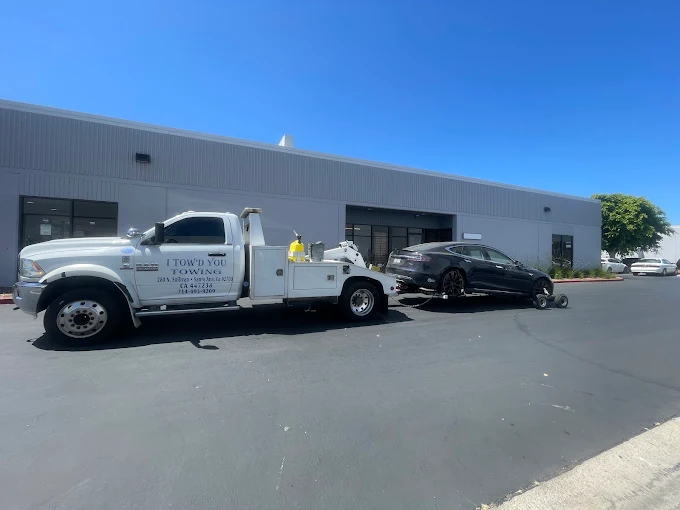
3. The Appropriate Tow Truck and Equipment Are Selected
Once the vehicle and pickup conditions have been assessed, the next stage is selecting equipment suitable for the job. Different vehicles have different weights, dimensions, ground clearances, and loading requirements.
Light-Duty Towing for Passenger Vehicles
Light-duty towing commonly applies to passenger vehicles such as sedans, hatchbacks, SUVs, crossovers, and many smaller pickup trucks.
Drivers may request this type of assistance when a vehicle experiences:
- Engine or transmission problems
- A breakdown that prevents safe driving
- Collision-related damage
- A vehicle that will not start
- Mechanical issues that require transportation to a repair facility
The loading method depends on the vehicle’s condition. A car that rolls and steers normally may be handled differently from one with a locked wheel or damaged suspension. The operator needs to consider these details before choosing the appropriate approach.
Medium-Duty Towing for Larger Vehicles
Some larger vehicles may require medium-duty equipment. Depending on their actual specifications, these can include certain work vans, commercial vehicles, and heavier pickups.
Weight and configuration matter when selecting equipment. A van carrying tools, materials, or business equipment may weigh more than an empty vehicle of the same model. The provider may need information about the vehicle’s approximate weight, dimensions, and cargo before confirming a suitable arrangement.
If you want to understand the available options in more detail, visit the Light and Medium Duty Towing service page. It provides a relevant starting point for drivers who need transportation for passenger vehicles or certain larger vehicles.
The important point is that the correct towing category should be based on the vehicle’s specifications, condition, and equipment requirements. It should not be selected only because a vehicle looks small or large.
4. The Vehicle Is Prepared and Loaded for Transportation
After suitable equipment has been selected, the operator prepares the vehicle for loading. The exact procedure depends on the vehicle’s condition, the type of tow truck, and the amount of space available at the pickup location.
Several details may need to be considered before loading:
- Whether the wheels can roll freely
- Whether the steering system is working
- Whether the transmission can be placed in the required position
- Whether the vehicle has low ground clearance
- Whether collision damage affects loading
- Whether the pickup location provides enough operating space
- Whether cargo or equipment affects the vehicle’s weight
A vehicle with a damaged wheel or steering problem may require a different loading arrangement from a car with a simple engine issue. If the vehicle has been involved in an accident, explain any visible damage and avoid attempting to move damaged components yourself.
Drivers can also prepare by keeping essential belongings with them when it is safe and practical. Take your phone, keys, wallet, and important documents. If you need to remove items from the vehicle, do so only when the surrounding conditions are safe.
Do not stand near moving traffic or attempt repairs in a dangerous location. The operator should determine the appropriate equipment and loading method for the vehicle.
Before transportation begins, make sure the destination has been confirmed and ask any questions you may have about the handoff process.
5. The Vehicle Is Transported to the Agreed Destination
Once the vehicle has been loaded and secured, it can be transported to the destination discussed during the service request.
Depending on your situation, this may be a repair shop, residence, business location, or another suitable drop-off point. Before the tow begins, confirm the address and share any instructions that may help the operator complete the delivery.
If the vehicle is going to a repair facility, check whether the shop is open and accepts vehicle drop-offs at the expected arrival time. Some facilities have designated entrances or procedures for receiving vehicles outside normal business hours.
You should also confirm who will receive the vehicle. If a family member, property manager, or repair technician needs to meet the operator, make sure that person is available and can be contacted.
For accident-damaged vehicles, consider arranging a professional inspection before attempting to drive again. Visible damage does not always show the full condition of the steering, suspension, tires, or other components.
Clear communication about the destination and handoff arrangements helps complete the towing process with fewer misunderstandings.
What Can Affect the Towing Process in Santa Ana?
Although the general steps are similar, every towing request has its own circumstances. Several factors can affect how the service is arranged.
Vehicle Size and Weight
A passenger car and a larger commercial vehicle may require different equipment. The vehicle’s specifications, dimensions, weight, and cargo should be considered before selecting a suitable truck.
Mechanical or Accident Damage
A vehicle that will not start may present different loading requirements from one with damaged wheels, steering, or suspension. Explain any known damage when requesting assistance.
Pickup Location and Accessibility
Narrow streets, parking structures, crowded lots, and restricted entrances can affect access. Sharing these details early helps the provider understand the pickup conditions.
Traffic and Road Conditions
Traffic congestion, construction, road closures, and weather can affect access and transportation. If your vehicle is disabled near a busy road, personal safety should remain the priority.
Drop-Off Requirements
A repair shop may have specific opening hours or vehicle drop-off instructions. Confirming these details before the tow helps avoid confusion when the vehicle arrives.
What Should You Do While Waiting for Towing Assistance?
Your safety is the most important consideration while waiting for help. If your vehicle breaks down, move it away from moving traffic when possible and safe. Turn on your hazard lights when appropriate and follow the safety guidance for the road you are using.
If you are on a freeway or another dangerous road, avoid standing close to passing traffic or attempting repairs in an unsafe location. If the vehicle creates an immediate traffic hazard or someone is injured, contact emergency services.
Here are some practical steps to follow:
- Share your precise location with the towing provider.
- Keep your phone available for calls or directions.
- Stay in a safe place away from moving vehicles.
- Explain any access restrictions at the pickup location.
- Keep passengers and children away from traffic.
- Avoid attempting to move a badly damaged vehicle yourself.
For additional safety information, review the California Driver Handbook. You can also consult the California Highway Patrol FAQ for official highway-related guidance.
Why Choosing the Right Towing Arrangement Matters
Choosing an appropriate towing arrangement helps ensure that the vehicle is handled according to its size, condition, and transportation requirements. It also gives the provider a clearer understanding of the equipment and preparation needed for the request.
A passenger car with an engine problem may need a different arrangement from a larger work van carrying equipment. Similarly, a vehicle with accident damage may require special attention before it can be loaded.
When contacting a towing provider, explain the actual problem instead of assuming which truck is required. Share your vehicle details, location, and preferred destination so the provider can evaluate the request.
Drivers who need light-duty or medium-duty towing should focus on providing accurate information and confirming that the proposed equipment is appropriate for their vehicle.
Request Towing Assistance in Santa Ana, CA
A breakdown can interrupt your work, travel plans, or daily routine. Understanding what happens after a towing request helps you communicate clearly, prepare for pickup, and arrange a suitable destination.
From the initial location details to vehicle assessment, equipment selection, loading, and transportation, every stage plays a role in completing the job appropriately.
I Tow’d You Towing Services LLC offers towing and roadside assistance services in Santa Ana and other Orange County communities. If your vehicle cannot be driven safely, visit the Santa Ana, CA service area page to learn more about local coverage, or visit the company website to explore available services.
Whether you need help with a passenger vehicle or a larger commercial vehicle, clear communication is the first step toward arranging a suitable towing solution.